







The founder


A journey through time that tells the story of a men, pioneer and visionary who, starting from a brilliant intuition, has transformed his dreams into a memorable entrepreneurial adventure.


Roberto Rancilio

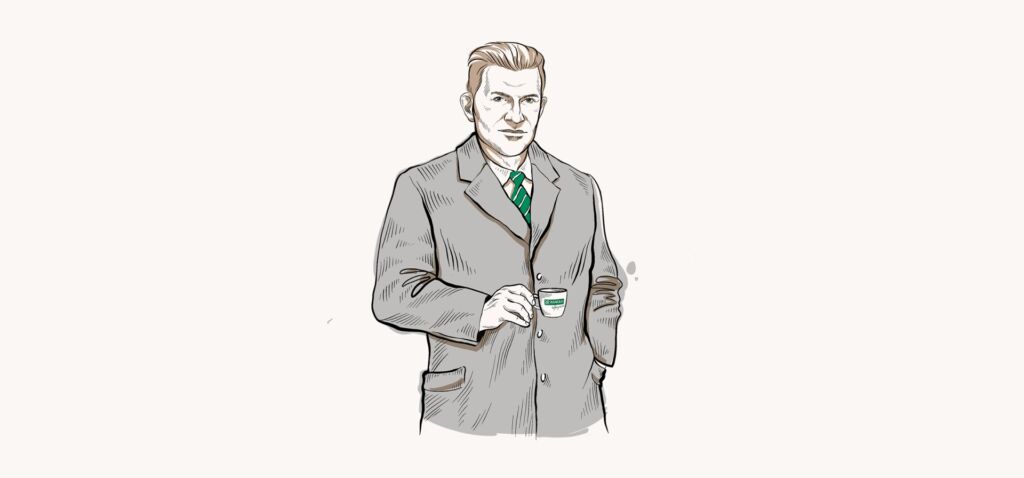
Roberto Rancilio was born in Parabiago on 23 April 1896. He spent his youth in this small town just outside Milan, breathing in the sense of optimism and confidence that permeated society at the beginning of the 1900s. The atmosphere of the Belle Époque was waning, however. The outbreak of World War I left an indelible mark on the lives of people everywhere, and when Roberto was drafted, the Rancilio family was also deeply affected.


In March 1916, Roberto reached the front.


THE war hero

In March 1916, Roberto reached the front. He was injured on 15 May during a firefight and was discharged with a badge of honour.


The new beginning

After the war, Italy entered a state of feverish euphoria. It dreamed of restarting, and laughed and cried at the cinema with the films of Charlie Chaplin, Rodolfo Valentino and Greta Garbo. Despite widespread poverty and the deaths still being mourned, everyone wanted to forget the past and begin again.

The MARRIAGE

On 4 April 1921, Roberto married Rosa Bongini, who would remain at his side for the rest of his life.

The Officina Rancilio


The building

After apprenticeships at several mechanical workshops, Roberto submitted a request to the Town of Parabiago in March 1926 to construct a small building at Via Galeazzi 1a, the first location of Officina Rancilio.

The EXCITING VISION

Roberto was convinced that coffee would soon take over Italy, and he strongly believed that the success of meeting places where it could be enjoyed in the company of others would continue to grow. It was the moment to transform this intuition into a fully-fledged business activity.


The double R


The LOGO

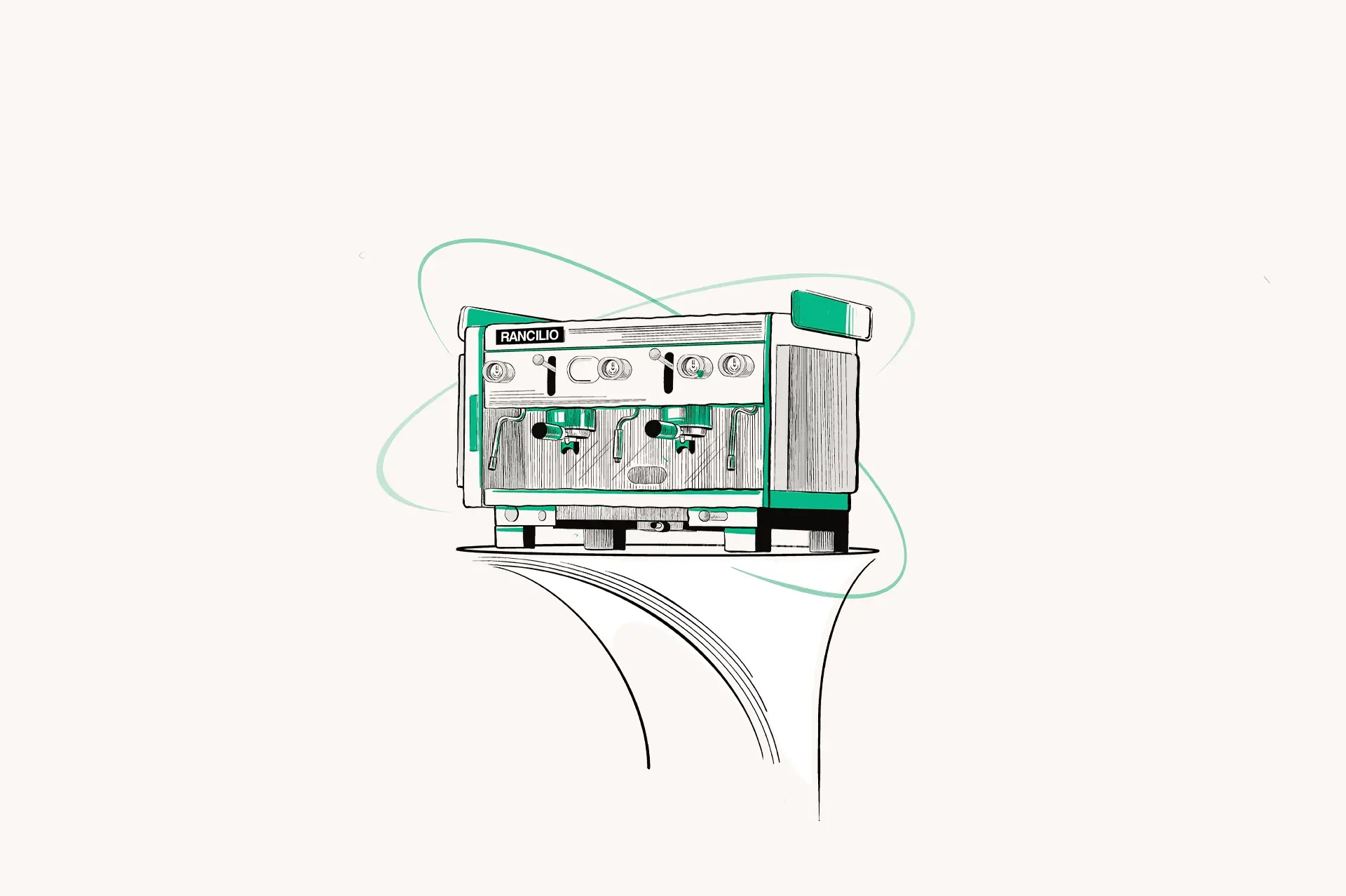
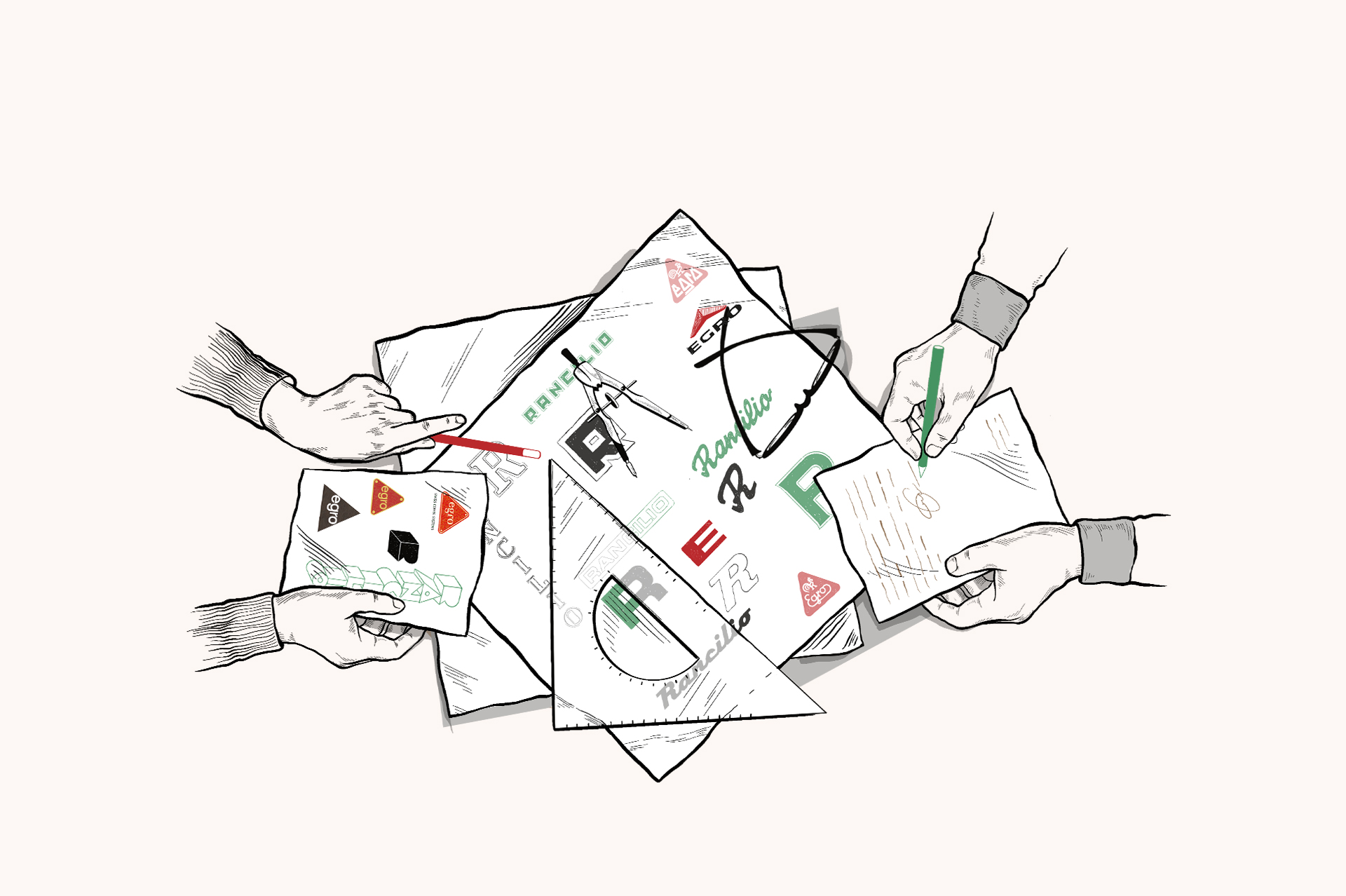
In 1927, at the workshop in Parabiago, Roberto built his first coffee machine piece by piece. The result was La Regina, a mechanical work of art. Having understood the importance of having his products associated with a recognisable logo, Roberto immediately designed the ‘double R’ logo, which still appears on all Rancilio products today.

RANCILIO GRAZIOSA AND INVICTA

The Officina Meccanica Roberto Rancilio officially began operations in 1930. The next year, Roberto introduced three new models of coffee machine – the Ottagonale, the Graziosa and the Invicta – and he filed new patents.

THE FAMILY

The family was also growing, and after Francesco (1921) and Antonietto (1929), Romano was born in 1935. In the 1930s, he also created the company’s first advertising poster, and in 1938, he presented his products for the first time at the Milan International Fair.

The Years of the Second World War.


THE RE-INVENTION

During World War II, Roberto was forced to suspend production of his coffee machines. To keep the workshop running, however, he converted the business to the production of milling, stamping and spinning machines.


Immediately after the war, Roberto Rancilio started melting down metal parts and pieces of howitzers to restart his business. During the same period and in much the same way – i.e. by reusing military materials and designs – the Piaggio Vespa was invented, and quickly became a symbol of Italy’s rebirth.

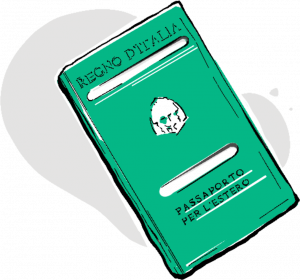
Once the production of coffee machines resumed, Roberto acquired a rail pass and began travelling again to restrengthen his relationships with suppliers, find new clients – even abroad – and participate in international trade fairs. He was driven by sheer force of will, believed deeply in his passion, and was certain that soon, Italians would once again begin meeting in bars to have a coffee before starting their day or even after work, listening to the latest news on the radio or commenting on the results of the perpetual cycle races between Coppi and Bartali.


Into the coffee machines’ world.


Technicality meets design.

1948 saw the introduction of the Ideale, the first Rancilio coffee machine with a horizontal boiler.

Followed in 1949 by the Fortuna, the first lever model.

The 1950s were the era of the Italian miracle: the RAI television service was launched, along with the Fiat 600, resulting in the great rush to buy cars. In this Italy, so enamoured of small cars and seduced by household appliances, Rancilio cemented its position before reaching new heights thanks to the success of the Preziosa and the Ducale.

La Rancilio di Roberto Rancilio.


THE MODERN ERA

Roberto Rancilio continued to work on his products, experimenting with the use of plastic, as well as his communication, blending the traditional ‘double R’ brand with the new styles and trends of the time. To mark the definitive shift from workshop to modern company, Rancilio changed the company name to “La Rancilio di Roberto Rancilio” in 1954.

THE COMPANY

On the cusp of his 60th birthday, on 4 January 1956 Roberto Rancilio passed away at his home in Parabiago. Not only did the company lose its founder and owner, but more importantly, it lost a man capable of involving everyone, with an authentic passion, in his human and professional adventure. His wife and three sons would continue to expand the company in the years to come.

1896

Roberto Rancilio

Roberto Rancilio was born in Parabiago on 23 April 1896. He spent his youth in this small town just outside Milan, breathing in the sense of optimism and confidence that permeated society at the beginning of the 1900s. The atmosphere of the Belle Époque was waning, however. The outbreak of World War I left an indelible mark on the lives of people everywhere, and when Roberto was drafted, the Rancilio family was also deeply affected.
1896
1916

In March 1916, Roberto reached the front.


THE war hero

In March 1916, Roberto reached the front. He was injured on 15 May during a firefight and was discharged with a badge of honour.

1916
1918

The new beginning


After the war, Italy entered a state of feverish euphoria. It dreamed of restarting, and laughed and cried at the cinema with the films of Charlie Chaplin, Rodolfo Valentino and Greta Garbo. Despite widespread poverty and the deaths still being mourned, everyone wanted to forget the past and begin again.

1921

The marriage


On 4 April 1921, Roberto married Rosa Bongini, who would remain at his side for the rest of his life.

1926

The Officina Rancilio


The building

After apprenticeships at several mechanical workshops, Roberto submitted a request to the Town of Parabiago in March 1926 to construct a small building at Via Galeazzi 1a, the first location of Officina Rancilio.

The exciting vision


Roberto was convinced that coffee would soon take over Italy, and he strongly believed that the success of meeting places where it could be enjoyed in the company of others would continue to grow. It was the moment to transform this intuition into a fully-fledged business activity.

1927

The double R


The LOGO

In 1927, at the workshop in Parabiago, Roberto built his first coffee machine piece by piece. The result was La Regina, a mechanical work of art. Having understood the importance of having his products associated with a recognisable logo, Roberto immediately designed the ‘double R’ logo, which still appears on all Rancilio products today.

1930

Rancilio Graziosa and Invicta


The Officina Meccanica Roberto Rancilio officially began operations in 1930. The next year, Roberto introduced three new models of coffee machine – the Ottagonale, the Graziosa and the Invicta – and he filed new patents.

The family


The family was also growing, and after Francesco (1921) and Antonietto (1929), Romano was born in 1935. In the 1930s, he also created the company’s first advertising poster, and in 1938, he presented his products for the first time at the Milan International Fair.

The Years of the Second World War.


THE RE-INVENTION

During World War II, Roberto was forced to suspend production of his coffee machines. To keep the workshop running, however, he converted the business to the production of milling, stamping and spinning machines.

After the war


Immediately after the war, Roberto Rancilio started melting down metal parts and pieces of howitzers to restart his business. During the same period and in much the same way – i.e. by reusing military materials and designs – the Piaggio Vespa was invented, and quickly became a symbol of Italy’s rebirth.

International trade fairs


Once the production of coffee machines resumed, Roberto acquired a rail pass and began travelling again to restrengthen his relationships with suppliers, find new clients – even abroad – and participate in international trade fairs. He was driven by sheer force of will, believed deeply in his passion, and was certain that soon, Italians would once again begin meeting in bars to have a coffee before starting their day or even after work, listening to the latest news on the radio or commenting on the results of the perpetual cycle races between Coppi and Bartali.

1948

Into the coffee machines’ world.


Technicality meets design

1948 saw the introduction of the Ideale, the first Rancilio coffee machine with a horizontal boiler.

Followed in 1949 by the Fortuna, the first lever model.

The 1950s were the era of the Italian miracle: the RAI television service was launched, along with the Fiat 600, resulting in the great rush to buy cars. In this Italy, so enamoured of small cars and seduced by household appliances, Rancilio cemented its position before reaching new heights thanks to the success of the Preziosa and the Ducale.

1954

La Rancilio di Roberto Rancilio.


THE MODERN ERA

Roberto Rancilio continued to work on his products, experimenting with the use of plastic, as well as his communication, blending the traditional ‘double R’ brand with the new styles and trends of the time. To mark the definitive shift from workshop to modern company, Rancilio changed the company name to “La Rancilio di Roberto Rancilio” in 1954.

1956

The company


On the cusp of his 60th birthday, on 4 January 1956 Roberto Rancilio passed away at his home in Parabiago. Not only did the company lose its founder and owner, but more importantly, it lost a man capable of involving everyone, with an authentic passion, in his human and professional adventure. His wife and three sons would continue to expand the company in the years to come.


Explore the world behind

Rancilio Group unites the stories of four brands. Stories of men, intuitions, entrepreneurial dreams, technological innovations, designs and patents that, over the years, have created the myth of an international company that produces professional coffee machines.

The designers

VIEW MORE

Our logos

VIEW MORE

Get assistance on our products.

Don’t hesitate to get in touch with our support team.

Support page